
祠门启盛事,祖德耀门庭,文脉传千秋!
2026年8月8日,南康余氏第一届优秀学子表彰大会在南康和谐城余氏宗祠隆重举办。一脉下邳文脉,世代崇文重教,今日余氏宗亲齐聚祖祠,共贺学子金榜题名,嘉奖少年之才,赓续宗族书香。
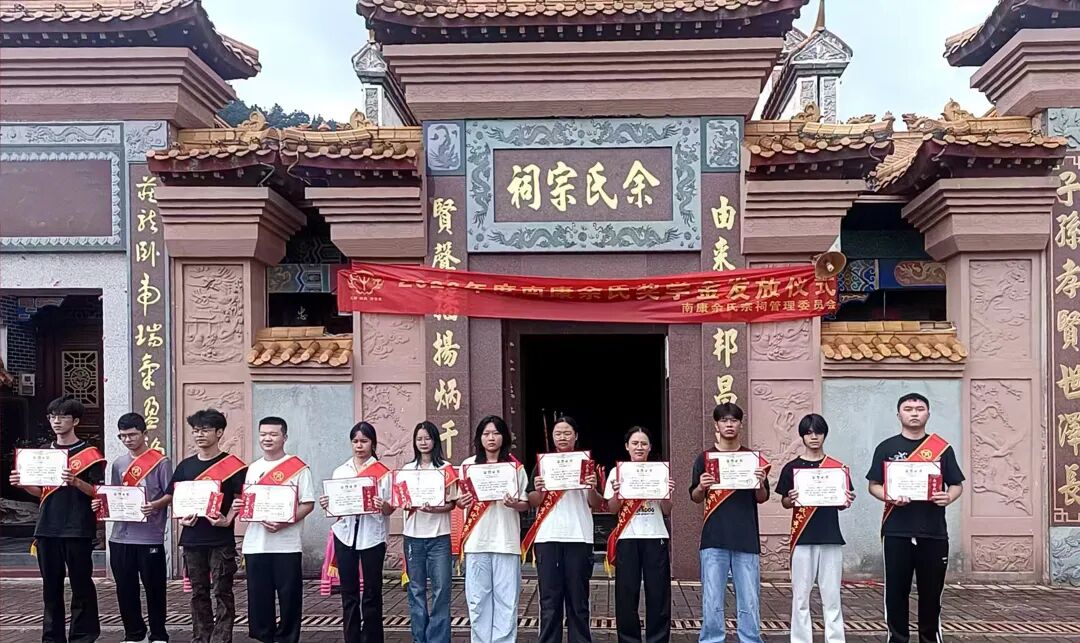
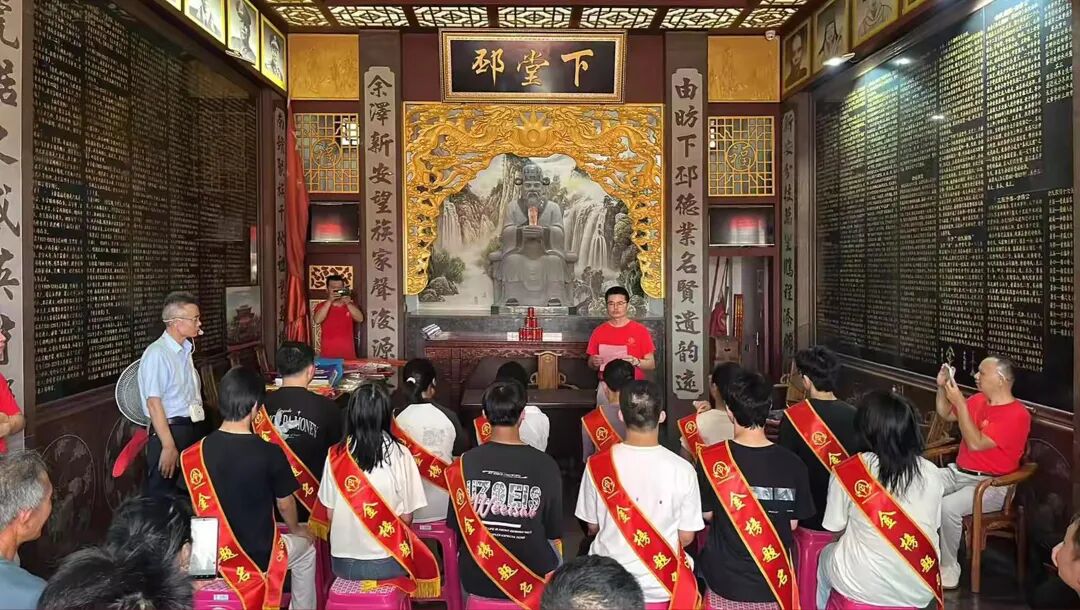
本次表彰盛会氛围庄重肃穆、温情满满。优秀获奖学子携家长莅临现场,与南康余氏理事会成员一同敬拜先祖、缅怀祖德。学子们依次自我介绍、庄严宣誓,立下勤学励志、逐梦前行的誓言,尽显余氏后辈知恩奋进、向阳成长的青春风貌。
宗祠内荣耀红榜醒目亮相,表彰横幅高悬厅堂,以宗族盛仪,礼赞青年英才。本次共表彰14名本科优秀学子,其中男学子8名、女学子6名,包含3名211名校英才、11名优秀本科学子。宗族特意为优秀学子颁发奖学金与荣誉证书,以宗族荣光定格少年风采,以敦亲助学善举,激励全体后辈勤学笃行、逐梦不止。
崇文重教传千古,耕读家风代代兴。宗族以实际行动厚植书香底蕴,传承先祖育人初心。愿南康余氏英才辈出、薪火绵延,后辈接续奋进,光耀宗族、不负韶华!
解惑答疑|带你读懂南康和谐城余氏宗祠的独特形制 不少宗亲疑惑:南康和谐城的余氏宗祠,为何没有传统客家祠堂的上下堂、南北厅与天井格局?其实二者定位不同、形制有别,但祖脉同源。 南康和谐城汇聚108间姓氏宗祠,均为统一规划、标准化布局的单元式纪念祠。所有宗祠依山而建、成排排布,各家姓氏的开间、进深均为统一规制,空间尺度固定有限,因此无法打造出客家传统二进式、带横厅与天井的大宗祠格局。 从功能定位来看,和谐城余氏祠属于姓氏文化纪念殿堂,核心作用是供奉先祖牌位、展示宗族文化、供宗亲寻根祭拜,为单间主堂的殿堂式形制。 而南康本地乡间留存的余氏老祠堂,是完整独立的传统祖屋形制,严格遵循客家宗祠建造规制,设有中天井、前后堂、南北横屋,兼顾采光排水、礼制排序等传统功能,是原汁原味的客家古宗祠。 简单区分:和谐城余氏祠为单体纪念殿堂,无天井、无南北厅、无前后两进格局;乡间古祠为传统客家二进式大宗祠,规制完整、古韵浓厚。目前公开资料多未清晰区分二者,极易造成混淆,各位宗亲可知悉辨别。 宗族溯源|南康余氏主流支派源流 南康余氏主流支派为志铭公后裔,隶属下邳堂,文脉源远流长、瓜瓞绵延。 先祖忠襄公余靖为一世始祖,血脉代代传承,七世传至一贯公。一贯公为南宋淳熙年间名士,是余崇龟长子,彼时落基惠州长乐琴江都余洞(今广东五华),为长乐余洞开基始祖。 一贯公再传七世至志铭公,即志铭公为余靖公第十四世孙。其后,志铭公后裔辗转迁入赣南大地,最终落籍南康,世代繁衍,成为南康镜坝红星村等片区余氏主干聚居支系。 南康余氏本源祖堂、主流支系发源地,坐落于南康区镜坝镇红星村岭上余屋、段上余屋,是标准的客家二进式古宗祠,保留完整天井、前后堂、横屋传统规制。此外,潭东迳背罗坑亦有余氏聚居祖堂,同根同源,传承一脉余氏家风。 祖德流芳远,书香启后人。愿南康余氏宗族文脉永续、英才蔚起,世代兴隆、薪火绵长!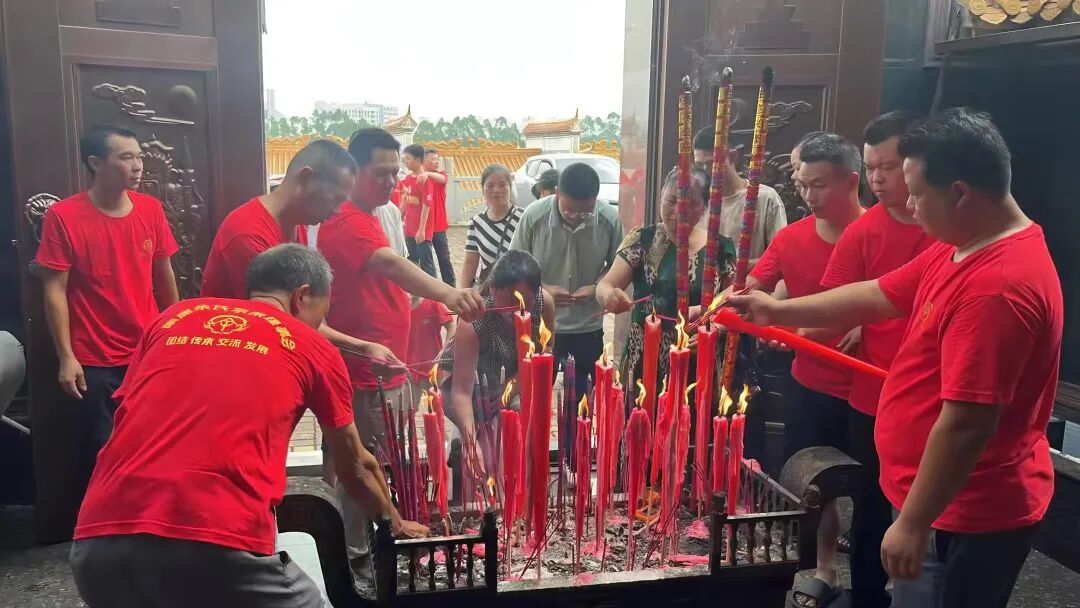
A grand ceremony graces the ancestral hall, ancestral virtues glorify the clan, and profound cultural heritage endures through millennia! On August 8, 2026, the First Nankang Yu Clan Outstanding Students Commendation Ceremony was grandly held at the Yu Clan Ancestral Hall in Nankang Hexie City. Inheriting the millennium-old Xiapu cultural tradition of valuing education and scholars, clansmen of the Yu Clan gathered at the ancestral hall to celebrate students’ academic achievements, honor their youthful talents, and carry on the clan’s enduring scholarly spirit. The ceremony proceeded in a solemn, respectful, and warm atmosphere. Award-winning students attended with their parents, joining members of the Nankang Yu Clan Council to worship ancestors and reflect on ancestral virtues. The students took turns introducing themselves and taking solemn oaths to pursue diligent study and lofty aspirations, fully embodying the gratitude, perseverance, and positive outlook of the younger Yu Clan generation. A prominent honor roll and celebratory banners adorned the ancestral hall, presenting dignified clan recognition for outstanding young talents. A total of 14 outstanding undergraduate students were honored, including 8 male and 6 female students — among them 3 admitted to prestigious Project 211 universities and 11 outstanding undergraduates. The clan presented scholarships and honorary certificates to each awardee, celebrating youthful achievements with ancestral glory and encouraging future generations to study diligently and strive relentlessly. The age-old tradition of prioritizing education and virtue has been cherished and passed down for generations. Through tangible actions, the clan continues to nurture a strong scholarly culture and uphold the ancestral mission of talent cultivation. May the Nankang Yu Clan continuously produce outstanding talents, carry forward its fine heritage, and inspire younger generations to forge ahead and bring lasting glory to the clan. Q&A: The Unique Architectural Features of the Yu Clan Ancestral Hall in Nankang Hexie City Many clansmen have questioned why the Yu Clan Ancestral Hall in Nankang Hexie City does not feature the traditional layout of classic Hakka ancestral halls, such as upper and lower halls, north–south side halls, and central courtyards. The distinction lies in different architectural positioning and functional layouts, while the ancestral origin remains unchanged. Hexie City hosts 108 standardized ancestral halls for different surnames, all built according to unified urban planning. Arranged in orderly rows along the hillside, every ancestral hall shares identical standardized dimensions for width and depth. Due to fixed and limited spatial specifications, it is not feasible to construct the traditional two-entry large-scale Hakka ancestral hall layout with independent courtyards and side rooms. Functionally, the Hexie City Yu Clan Hall serves as a clan cultural and memorial hall. Designed primarily for enshrining ancestral tablets, displaying clan culture, and facilitating ancestral worship and root-seeking activities, it adopts a simple single-hall structural style. In comparison, ancient rural Yu Clan ancestral halls in Nankang are independent, complete traditional ancestral buildings. Strictly following authentic Hakka architectural principles, they are equipped with central courtyards, front and rear halls, and auxiliary side rooms, fulfilling traditional functions including ventilation, lighting, drainage, and ritual arrangements, representing classic Hakka ancestral architecture. Core distinctions are clarified as follows: The Hexie City Yu Clan Hall is a single-unit memorial building without courtyards, side halls, or multi-entry layouts; rural ancient Yu Clan halls are well-preserved traditional two-entry Hakka ancestral halls with complete classical architectural layouts. Most public resources fail to differentiate these two types, causing widespread confusion among readers and clansmen. Clan Origin: Genealogy of the Main Nankang Yu Clan Branch The dominant Yu Clan branch in Nankang consists of descendants of Master Zhiming, belonging to the renowned Xiapu Hall lineage, with a long-standing genealogy and prosperous clan inheritance. The founding ancestor of this lineage is Yu Jing (Lord Zhongxiang). Seven generations after Yu Jing came Yu Yiguan. As the eldest son of Yu Chonggui and a distinguished scholar during the Chunxi reign of the Southern Song Dynasty, Yu Yiguan settled in Yudong, Changle, Huizhou (present-day Wuhua County, Guangdong Province), establishing the original Yudong Yu Clan settlement. Seven generations after Yu Yiguan emerged Master Zhiming, the 14th-generation descendant of Yu Jing. His descendants later migrated southward to the Ganxi region and eventually settled in Nankang. Over generations of multiplication and development, they formed the core Yu Clan settlement centered in Hongxing Village, Jingba Town and surrounding areas. The ancestral birthplace and core cradle of the Nankang Yu Clan is located at Shangyuwu and Duanshangyuwu in Hongxing Village, Jingba Town, Nankang District. This well-preserved ancient ancestral hall adopts the standard two-entry Hakka structure with a complete central courtyard, front and rear halls, and side rooms. Additionally, another Yu Clan ancestral hall is situated in Luokeng, Tandong, carrying forward the same ancestral heritage and traditions. Ancestral virtues endure through centuries, and scholarly traditions nurture endless new talents. May the Nankang Yu Clan thrive generation after generation, with outstanding successors emerging continuously to carry forward the timeless clan heritage.
文:余秀琴(余韵姝芳) 编审:余民发、余林雪金
 主页
主页 联系我们
联系我们