
韶关襄公祠及余家井、万年古井、武镇街、皇华大街历史遗存考略
余新星
一、引言
韶关为宋代名臣余襄公安道(余靖)桑梓故里,自宋代以来,境内留存有大量与襄公相关的历史文化遗存。其中以襄公祠为核心,余家井、万年古井、武镇街、皇华大街等街巷地名与祠宇基址,共同构成清代以来韶关城区余氏宗族文化重要地标。本文以清代《余氏族谱》所载祠宇基址图为核心依据,结合文献史料、实地见闻与地方沿革脉络,对襄公祠及其周边遗存的沿革、方位与历史价值进行系统考证,厘清其千年传承脉络与文化内涵。
二、襄公祠基址与形制考证
(一)基址方位与格局
据清代《余氏族谱》祠宇基址图载,襄公祠坐落于武镇街之侧,北临武镇街主街,西接皇华大街,东连余氏族人产业,南抵余家井,形成“祠宇居中、街巷环护”的完整格局。祠宇主体遵循“神楼—飨堂—丹墀—门屏”的传统礼制形制,标注尺寸明晰:神楼深二丈九尺,飨堂深二丈五尺,丹墀阔二丈四尺,门屏深七尺六寸,左右廊庑各阔四尺五寸。整体基址规制严谨,契合宋代以来名臣专祠营建礼法。
基址图详载祠宇四至界址:东以余祠巷后五尺五阔为界,西接谭宅襄公基,北至武镇街街面,南抵白沙碑记地界,界域分明,产权有据,是考证清代襄公祠基址最直接的实物文献。
(二)沿革与重修脉络
襄公祠自宋代以来便已始建,为地方官民崇祀余靖之专祠,历朝均有修葺。清道光年间再度重修,并绘入族谱存档,祠宇形制与基址方位得以完整留存。虽历经世事沧桑,祠宇基址核心范围始终未曾偏移,与余襄公墓原址亘古未迁之文脉传承,前后一脉相承。谱中“襄公基”“重修忠襄公祠碑记”等标识文字,佐证此处自宋代以来即为余氏宗族祭祀先祖之核心圣地,亦是韶关城区为数不多可溯源考证的宋代名臣祠宇遗存。
三、周边遗存考证
(一)余家井与万年古井
族谱祠宇基址图中,襄公祠南侧标有余家井,东侧列万年古井。两井自宋代以来便为余氏宗族及周边街坊重要生活水源,亦是地名沿革与宗族聚居历史的实物见证。
余家井坐落于祠宇基址东南隅,旁镌“曾三省碑”,原为余氏族人专属汲用之井,与襄公祠相伴共生,见证余氏族人自宋代以来世代聚居武镇街一带的历史轨迹。
万年古井位于余屋东侧,为城区街巷公用古泉,自宋代以来沿用有绪,自清迄今文脉不断,是韶关老城保存难得的清代古井遗迹,亦是维系武镇街历史街巷格局的重要人文地标。
(二)武镇街与皇华大街
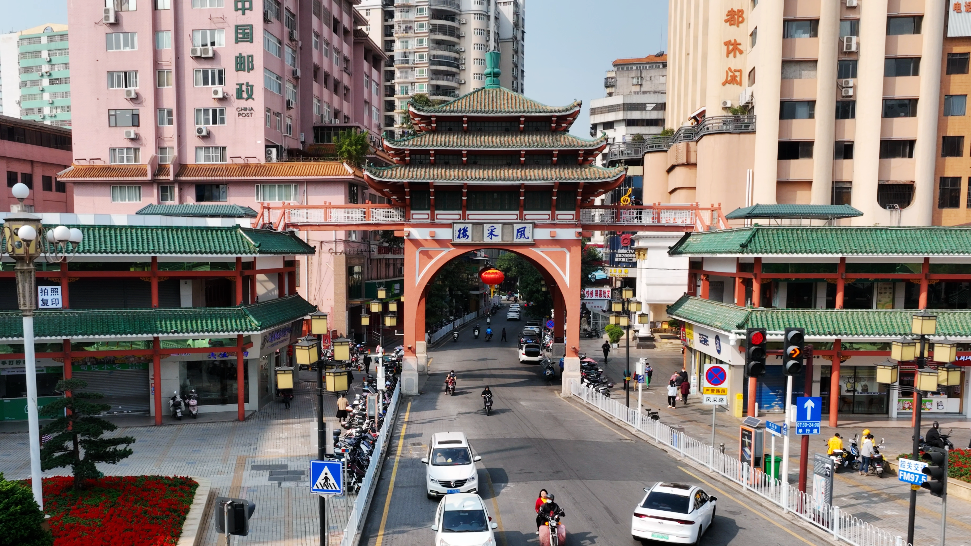
武镇街位居襄公祠北侧,为清代韶州城西重要街市要道。祠宇临街而立,既彰显朝野对余襄公功德的尊崇,亦形成古祠与老街自宋代以来相依共生的人文格局。街名“武镇”,既有镇固一方、安守乡土之意,亦契合韶州自宋代以来即为粤北军政重镇的地理与人文定位。
皇华大街位于襄公祠西侧,与武镇街相通,是旧时城西往来要道。街名取《诗经·小雅》“皇皇者华”之典,本为旌表使臣出使之仪,恰与余襄公三使契丹、安邦定国的历史功绩相呼应,是乡土民间自宋代以来对先贤德业含蓄而深远的人文纪念。
四、文献史料与现场见闻佐证
清代《余氏族谱》祠宇基址图,对襄公祠、古井、街巷的坐落方位、建筑尺寸、四至界址均一一载明,图文互证,翔实可靠,是本次考证最珍贵的第一手文献依据。以古谱为纲,参酌史志与城区街巷沿革,足以确证诸处遗存自宋代以来的历史定位与文脉传承。
九十年代,约1993年前后,本人余新星曾携子余洋亲临襄公祠旧址踏勘。彼时原有余屋平房正值拆除施工,祠址旧迹尚存,现场仍可见碑记六~八块,并有石狮子等石刻遗存留存,亲身目击实物,为襄公祠旧址定位与宋代以来历史沿革,增添了真切可信的实地佐证。
五、结语
襄公祠、余家井、万年古井、武镇街、皇华大街诸处遗存,并非孤立的地名符号,而是以余靖襄公文化为内核,自宋代以来集古祠、古井、古街于一体的历史文化群落。依托清代族谱图文记载,参稽地方文史脉络,加之本人亲历现场所见实物遗存,足以印证其千年相沿的方位格局与人文底蕴。这批遗存既是韶关老城街巷变迁的鲜活见证,更是余襄公精神文脉自宋代以来在乡土民间代代赓续的重要载体,亦为研究粤北宗族文化、古祠规制与城区历史地理演变,提供了极具价值的文史参考。
一脉韶州文脉,千年先贤流芳。从名人文化的当代传承,到老城古遗存的千年坚守,韶关的人文底蕴藏于街巷祠井、融于岁月长河。此次专题采风与文史考证,让隐匿的历史遗存被看见、被读懂,也让张九龄、余靖两位先贤的风度与正气,在新时代持续焕发活力,让岭南千年优秀传统文化在韶州大地生生不息、代代相传。
图源:韶关史志
A Textual Research on the Historical Remains of Xianggong Temple, Yu Family Well, Wannian Ancient Well, Wuzhen Street and Huanghua Street in Shaoguan
1. Introduction
Shaoguan is the hometown of Yu Jing (posthumously titled Xianggong), a distinguished minister of the Northern Song Dynasty. A wealth of historical and cultural relics related to Yu Jing have been preserved in the city since the Song Dynasty. Centered on Xianggong Temple, a cluster of cultural landmarks including Yu Family Well, Wannian Ancient Well, Wuzhen Street and Huanghua Street have formed the core of Yu clan culture in urban Shaoguan since the Qing Dynasty. Based on the ancestral hall site records in the Yu Clan Genealogy of the Qing Dynasty, combined with historical documents, field investigations and local evolution records, this paper conducts a systematic textual research on the evolution, geographical location and historical value of Xianggong Temple and its surrounding relics, clarifying their millennium-long inheritance and cultural connotations.
2. Textual Research on the Site and Architectural Layout of Xianggong Temple
2.1 Location and Overall Layout
According to the ancestral hall site map recorded in the Qing-Dynasty Yu Clan Genealogy, Xianggong Temple is situated beside Wuzhen Street. It adjoins the main Wuzhen Street to the north, Huanghua Street to the west, Yu clan estates to the east, and Yu Family Well to the south, forming a well-structured pattern of “ancestral hall in the center, surrounded by ancient streets”. The main building follows the traditional ritual layout of ancient Chinese memorial halls, consisting of a spirit tower, a worship hall, a courtyard and a screen wall. Detailed dimensional records are preserved: the spirit tower is 2.9 zhang deep, the worship hall 2.5 zhang deep, the courtyard 2.4 zhang wide, the screen wall 7.6 chi deep, and the left and right corridors 4.5 chi wide each. The standardized layout strictly complies with the construction rituals of minister-level memorial halls since the Song Dynasty.
The genealogy clearly documents the precise boundaries of the temple site: bordering a 5.5-chi-wide lane behind Yu Clan Lane to the east, Tan’s residence and the former Xianggong site to the west, Wuzhen Street to the north, and the boundary of Baisha Stele to the south. The clear territorial and property records serve as the most direct physical literature for verifying the site of Xianggong Temple in the Qing Dynasty.
2.2 Evolution and Renovation History
First built in the Song Dynasty, Xianggong Temple was a special shrine for local officials and civilians to worship Yu Jing, with successive renovations in subsequent dynasties. It was renovated again during the Daoguang reign of the Qing Dynasty, and its complete layout and location were recorded in the clan genealogy. Despite centuries of vicissitudes, the core scope of the temple site has never shifted, maintaining consistent cultural inheritance with the long-preserved tomb of Yu Jing. Inscriptions such as “Xianggong Site” and “Stele Record of Reconstructing Zhongxiangong Temple” in the genealogy confirm that this location has been a core sacred site for Yu clan ancestor worship since the Song Dynasty, as well as one of the few verifiable Song-Dynasty minister shrine relics in urban Shaoguan.
3. Textual Research on Surrounding Historical Relics
3.1 Yu Family Well and Wannian Ancient Well
The genealogy site map marks Yu Family Well to the south of Xianggong Temple and Wannian Ancient Well to the east. Since the Song Dynasty, the two ancient wells have served as vital water sources for the Yu clan and local residents, standing as physical witnesses of regional place name evolution and clan settlement history.
Located at the southeast corner of the temple site and engraved with the “Zeng Sansheng Stele”, Yu Family Well was exclusively used by Yu clan members in ancient times. Coexisting with Xianggong Temple for centuries, it witnesses the settlement of the Yu clan in the Wuzhen Street area since the Song Dynasty.
Situated to the east of the former Yu clan residences, Wannian Ancient Well was a public water source for local streets. It has been in continuous use since the Song Dynasty. As a well-preserved Qing-Dynasty well relic in old Shaoguan, it is a key humanistic landmark sustaining the historical pattern of Wuzhen Street.
3.2 Wuzhen Street and Huanghua Street
Lying to the north of Xianggong Temple, Wuzhen Street was a major thoroughfare in western Shaoguan during the Qing Dynasty. The temple’s frontage location reflects the respect and admiration for Yu Jing’s remarkable achievements from generation to generation, forming an integrated cultural landscape of ancient shrine and old street dating back to the Song Dynasty. The name “Wuzhen”, literally meaning “military stabilization”, symbolizes local peace and stability, and echoes Shaoguan’s strategic status as a key military and cultural hub in northern Guangdong since the Song Dynasty.
Located to the west of Xianggong Temple and connected with Wuzhen Street, Huanghua Street was an important ancient passage in western urban Shaoguan. Its name derives from The Book of Songs·Minor Odes, an ancient classic honoring envoys’ noble missions. The name perfectly echoes Yu Jing’s distinguished feat of being dispatched three times to the Khitan regime to safeguard national stability, embodying the folk commemoration of his outstanding contributions.
4. Evidence from Historical Documents and Field Investigations
The site map in the Qing-Dynasty Yu Clan Genealogy precisely records the location, dimensions and boundaries of Xianggong Temple, ancient wells and surrounding streets. The mutually verified texts and illustrations serve as the most valuable first-hand literature for this research. Combined with local historical records and urban street evolution data, it fully validates the historical status and cultural inheritance of these relics since the Song Dynasty.
Around 1993, Yu Xinxing conducted an on-site investigation of the former Xianggong Temple site with his son Yu Yang. At that time, the old residential buildings of the Yu clan were under demolition, yet the temple site remained identifiable. Six to eight stone steles and stone lion carvings were still discovered on site. This firsthand field evidence provides authentic and credible support for the location verification and historical evolution of Xianggong Temple since the Song Dynasty.
5. Conclusion
Xianggong Temple, Yu Family Well, Wannian Ancient Well, Wuzhen Street and Huanghua Street are not isolated historical place names. Instead, they form an integrated cultural complex of ancient shrines, wells and streets centered on Yu Jing’s culture, with a continuous history dating back to the Song Dynasty. Verified by detailed genealogical records, local historical context and on-site physical relics, this cultural cluster boasts a well-preserved spatial pattern and profound cultural heritage spanning a millennium. These relics vividly record the changes of old Shaoguan’s urban streets and carry forward Yu Jing’s spiritual legacy among local people for generations. They also provide valuable historical and cultural references for the research of clan culture, ancient shrine architecture and urban geographical evolution in northern Guangdong.
The millennium cultural vein of Shaoguan thrives through the inheritance of ancient sages’ virtues. From the contemporary promotion of celebrity culture to the long-standing preservation of urban historical relics, Shaoguan’s profound humanity is embedded in its ancient streets, shrines and wells. This special cultural filming and academic textual research has unveiled the hidden charm of local historical relics and revitalized the noble spirit of Zhang Jiuling and Yu Jing in the new era. It enables the profound traditional Lingnan culture to endure and flourish in Shaoguan from generation to generation.
文:余新星
图源:韶关史志
编审:余民发、余林雪金
 主页
主页 联系我们
联系我们