Old Treasured Photos: Inheriting the Century-Old Cultural Heritage of the Yu Clan
Source: Elegant Family Home
Dear fellow clansmen of the Yu family,
As we mark International Museum Day in May 2026, I would like to share a set of precious old photos of our clan. These timeless snapshots record our sincere efforts to honor our ancestors and pass down our family’s fine traditions.
Every old photograph freezes a precious moment. More than just memories, they embody the profound respect of generations of Yu descendants for our ancestors and our enduring commitment to carrying forward our clan’s cultural heritage.
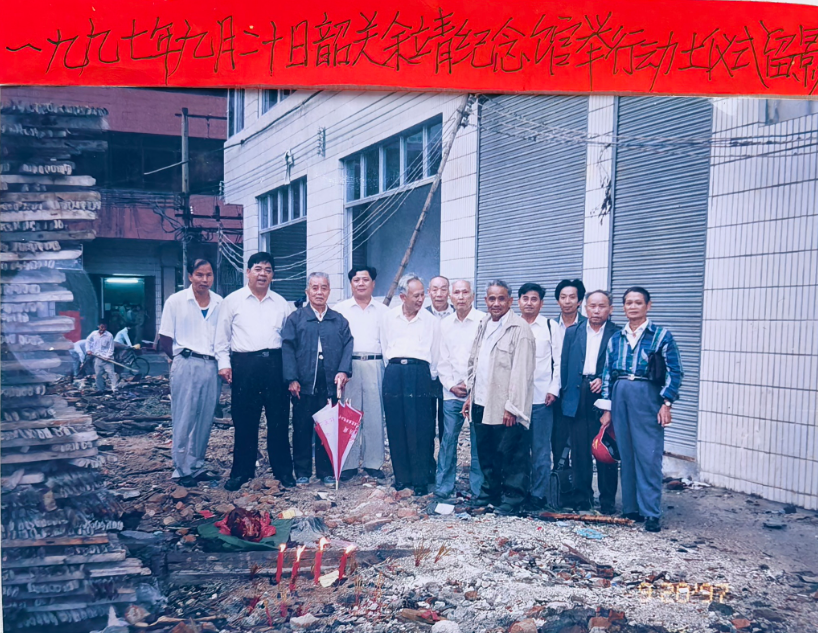
Groundbreaking Ceremony of the Shaoguan Yu Jing Memorial Hall, September 20, 1997
This photo captures the official groundbreaking ceremony of the Shaoguan Yu Jing Memorial Hall (Yu Xinxing, first from the left). I was 31 years old at that time. As a descendant of the Yu clan, I was honored to witness and take part in this milestone event for our family’s cultural inheritance.
The foundation-laying of the memorial hall symbolizes the rooting of our clan’s origin and marks a new beginning for perpetuating the noble spirit of our ancestors. To participate in this undertaking was both a great honor and an inherent responsibility as a descendant of the Yu family.
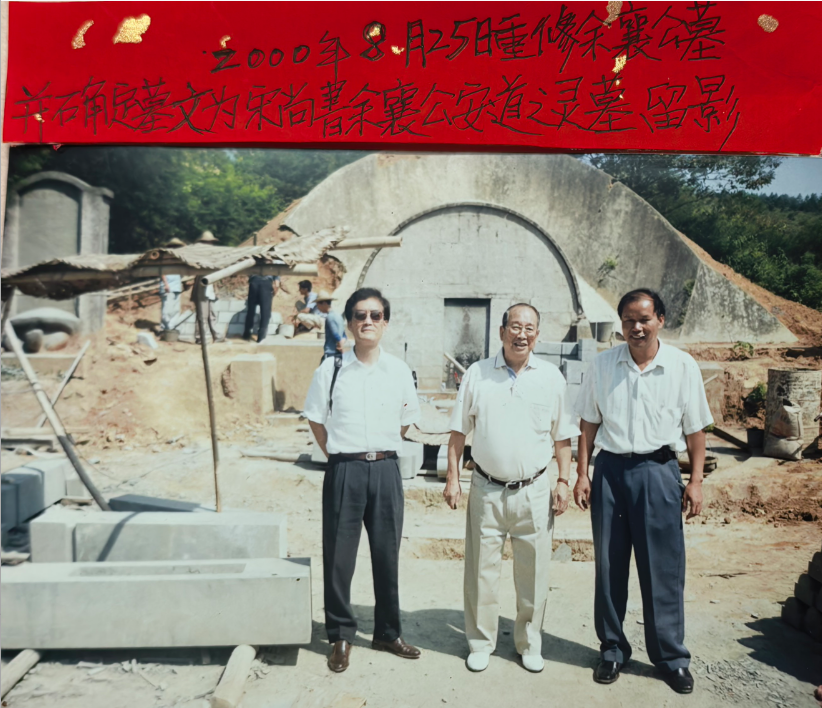
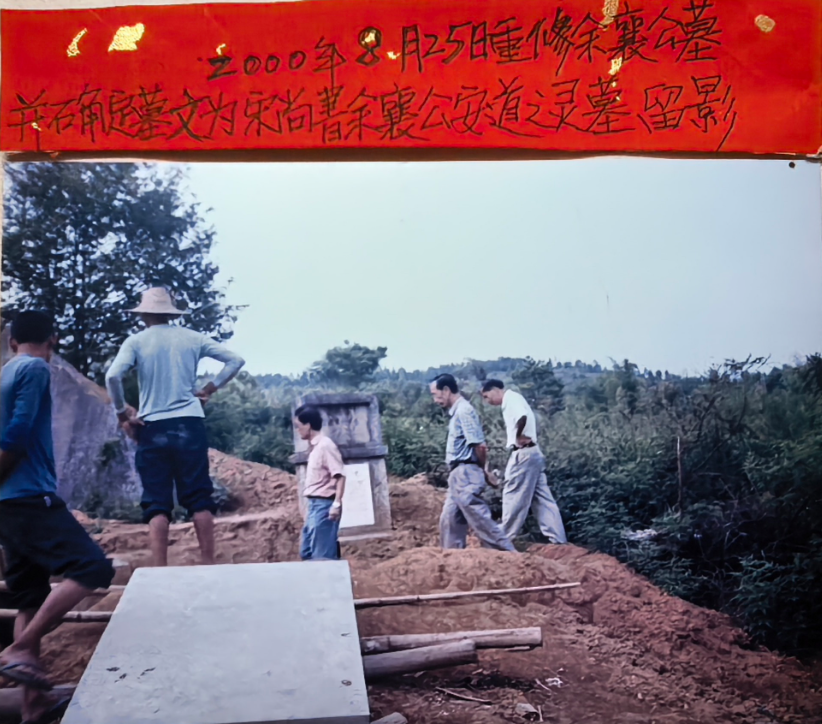
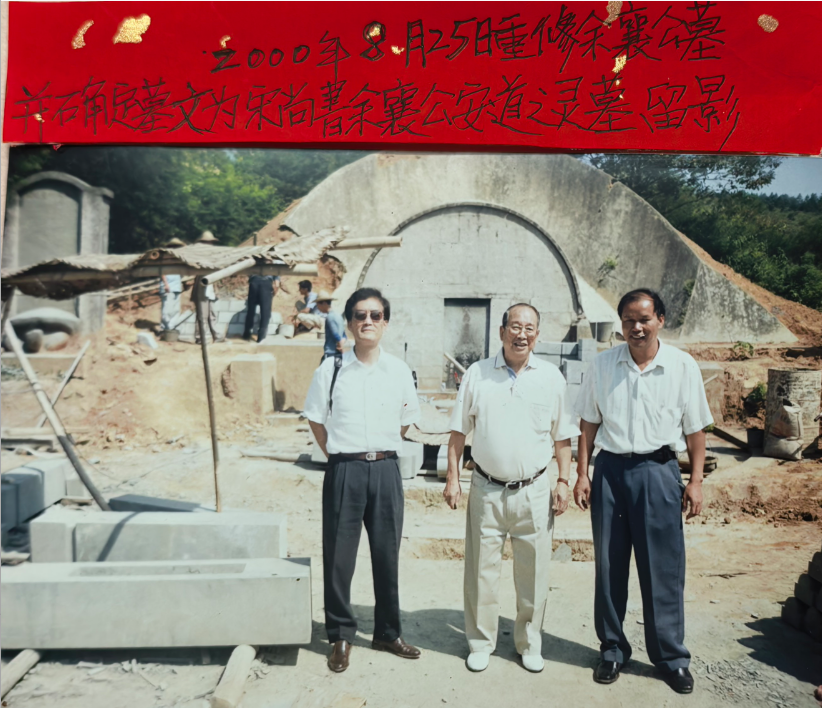
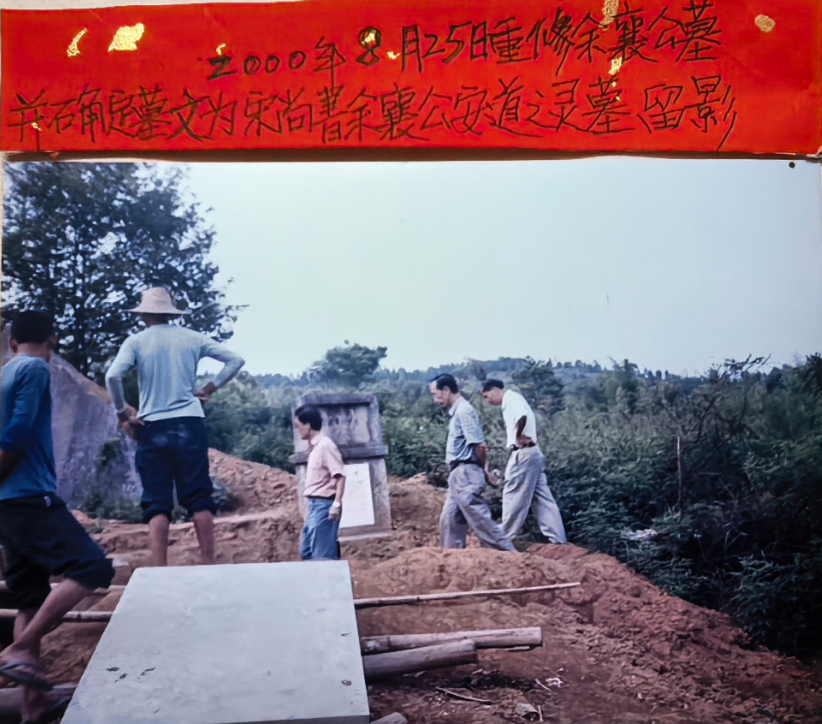
Photo 2: Renovation of the Tomb of Lord Yu Xiang, August 25, 2000
This picture was taken during the renovation of the tomb of Lord Yu Xiang (Yu Xinxing, third from the left). Aged 34, I gathered with fellow clansmen to discuss and finalize the official inscription for our ancestor’s tomb: The Spirit Tomb of Lord Yu Xiang (Andao), Minister of the Song Dynasty.
United with one heart, we devoted our humble efforts to restoring our ancestor’s historic relics. Every meticulous detail embodies the sincere reverence of all Yu clansmen for our forebears.
Looking back over the years, I am the only descendant in our clan who has witnessed these two major undertakings—the construction of the Yu Jing Memorial Hall and the renovation of Lord Yu Xiang’s tomb—from start to finish. My heart is filled with endless emotion and gratitude.
I am deeply thankful for the blessings our ancestors have bestowed upon us, sustaining the prosperity of our clan through generations. I also appreciate every fellow clansman for your solidarity and dedication, which made these two significant achievements possible. I have never taken credit for my participation, for I was merely fulfilling the bounden duty of a younger generation entrusted by our ancestors.
Our ancestor Lord Yu Xiang was a distinguished statesman of unparalleled wisdom and vision. He upheld lofty moral integrity and dedicated himself to the well-being of the people. His spirit stands as the most precious spiritual asset of our clan, guiding generations of Yu descendants to cultivate virtue and forge ahead through centuries.
Here, I would like to elaborate on the traditional ritual significance behind the inscription Spirit Tomb:
The term "Spirit Tomb", confirmed by the Hong Kong Yu Clan Association, was not chosen arbitrarily nor merely for phonetic harmony. Instead, it strictly abides by the ancient Chinese funeral etiquette and hierarchical system.
In ancient Chinese culture, tomb titles followed a strict hierarchical order. The term Ling (mausoleum) was exclusively reserved for the tombs of emperors and was forbidden for use by subjects. The tombs of senior ministers and meritorious nobles were formally titled Ling Mu (Spirit Tomb) or simply Mu (tomb).
As a first-rank senior minister of the Northern Song Dynasty with extraordinary achievements and noble virtue, Lord Yu Xiang was not permitted to use the emperor-exclusive character Ling (mausoleum) in accordance with ancient rituals. The title Spirit Tomb carries a profound meaning: the spirit of our ancestor endures eternally, resting peacefully in this blessed land. It is the most respectful and orthodox title befitting his status and traditional etiquette.
This consensus and ancestral ritual established by our predecessors deserves the eternal reverence and inheritance of all Yu clansmen.
Time flies, yet our original aspiration remains unchanged; our cultural heritage endures, and our family spirit prevails forever.
May all fellow clansmen of the Yu family stand united, guard our ancestral cultural heritage hand in hand, uphold the noble integrity of our ancestors, and pass down our fine family traditions from generation to generation!

 手机版
手机版